In the cold chain industry, maintaining strict temperature control isn’t just about protecting product quality, it’s about compliance. Whether you’re managing pharmaceuticals, vaccines, or perishable foods, regulatory standards require accurate, traceable proof that your products have been stored and transported under the right conditions.
For years, manual temperature checks and data loggers have served as the foundation of temperature monitoring, and they continue to play a vital role today. But with the rise of digital transformation, real-time temperature monitoring systems are adding new layers of visibility and control.
So, rather than asking which is better, the real question is: which solution is right for your operation?
The Established Standard: Manual Checks and Data Loggers
Manual temperature monitoring — using thermometers, handheld probes, or PDF data loggers — remains one of the most reliable and widely accepted methods of recording cold chain data. Many regulatory bodies, including GDP and HACCP, still recognize this approach when proper documentation is maintained.
Advantages of Manual and Logger-Based Monitoring:
- Proven reliability: Devices like the Fridge Tag 2 have long been trusted for accurate and tamper-proof temperature recording.
- Unalterable reports: PDF data loggers automatically generate secure, non-editable reports that ensure full data integrity for audits and inspections.
- Simplicity and accessibility: These solutions are easy to deploy, require no network connection, and are ideal for smaller operations or individual shipments.
- Regulatory compliance: Many industries and regions still approve data logger use for compliant temperature tracking and verification.
- Cost-effective and practical: Perfect for businesses that need reliable documentation without the need for real-time remote access.
While these systems may involve a degree of manual oversight — such as downloading reports or checking readings, their accuracy and traceability make them indispensable tools across many sectors.
The Modern Advantage: Real-Time Monitoring
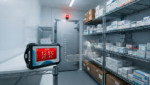
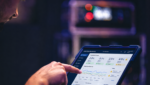
Real-time monitoring systems take compliance a step further. Using IoT-enabled sensors and cloud-based dashboards, they continuously record and transmit temperature data, providing complete visibility throughout storage and transport.
Benefits of Real-Time Systems:
- Continuous data logging: Every temperature change is automatically captured with no gaps between readings.
- Instant alerts: Notifications are sent immediately when a temperature excursion occurs, allowing quick corrective action.
- Remote access: Managers can oversee multiple sites or vehicles from anywhere, in real time.
- Automated reporting: Compliance documentation is created and stored automatically — no manual downloads required.
- Audit-ready records: Digital logs are secure, traceable, and easy to retrieve during inspections.
Real-time monitoring is ideal for highly regulated environments, such as large-scale pharmaceutical distribution, vaccine transport, or international cold chain logistics, where immediate response and full traceability are critical.
Finding the Right Fit for Your Business
The choice between manual checks, PDF data loggers, and real-time monitoring isn’t about right or wrong — it’s about matching the solution to your operational and regulatory needs.
| Requirement | Manual Checks & PDF Loggers | Real-Time Monitoring |
| Regulatory Level | Accepted for standard compliance | Preferred for strict/global standards |
| Data Access | On retrieval or download | Continuous, cloud-based |
| Alerts | After review | Instant, automated |
| Cost | Low upfront cost | Higher upfront, lower long-term risk |
| Best For | Routine shipments, small-scale operations | Large networks, critical pharma or vaccines |
At TMSA, we understand that every cold chain is different. That’s why we offer a full range of monitoring solutions — from trusted single-use data loggers to advanced real-time systems — helping you stay compliant, efficient, and confident in your temperature control process.
Both manual temperature checks and real-time monitoring have essential roles in cold chain compliance. Manual and logger-based systems provide simple, dependable, and compliant documentation for a wide variety of applications. Real-time monitoring, meanwhile, offers unmatched visibility, speed, and proactive protection — particularly valuable in high-risk or tightly regulated operations.
In the end, the best approach is the one that fits your operation’s scale, compliance requirements, and resources — and ensures your products remain protected every step of the way.