Maintaining the correct temperature throughout the cold chain is essential for protecting temperature-sensitive products, including pharmaceuticals, vaccines, food and other perishable goods. But what happens when temperatures move outside the required range?
A cold chain temperature excursion occurs when a product or storage environment is exposed to temperatures outside its specified limits, even for a short period. If not managed correctly, this can affect product quality, safety and compliance, potentially resulting in financial losses and product waste.
Understanding how to respond to a temperature excursion quickly and correctly can help businesses reduce risks and protect the integrity of their products.
What Causes a Cold Chain Temperature Excursion?
Temperature excursions can occur at any stage of the cold chain, from storage and transportation to distribution and final delivery.
Common causes include:
- Equipment failure: Refrigerators, freezers or cold rooms may malfunction or lose cooling capacity.
- Power outages: An interruption to the electricity supply can cause temperatures to rise.
- Transportation delays: Unexpected delays can expose temperature-sensitive goods to unsuitable conditions.
- Incorrect temperature settings: Equipment may be configured incorrectly or adjusted without proper authorisation.
- Frequent door openings: Repeated access to cold rooms or refrigerators can cause temperature fluctuations.
- Monitoring failures: Faulty sensors, depleted batteries or missed manual checks can delay the detection of a problem.
Identifying the cause is an important part of preventing the same issue from happening again.
What to Do When a Temperature Excursion Occurs
A clear response procedure helps ensure that the incident is handled consistently and that potentially affected products are not used or distributed prematurely.
1. Identify and Confirm the Temperature Excursion
The first step is to establish whether a temperature excursion has occurred. Review the temperature reading, the specified storage limits and the available monitoring records.
Where possible, confirm the reading using a reliable measuring device. Check the duration of the excursion, the minimum or maximum temperature reached and whether the monitoring equipment is functioning correctly.
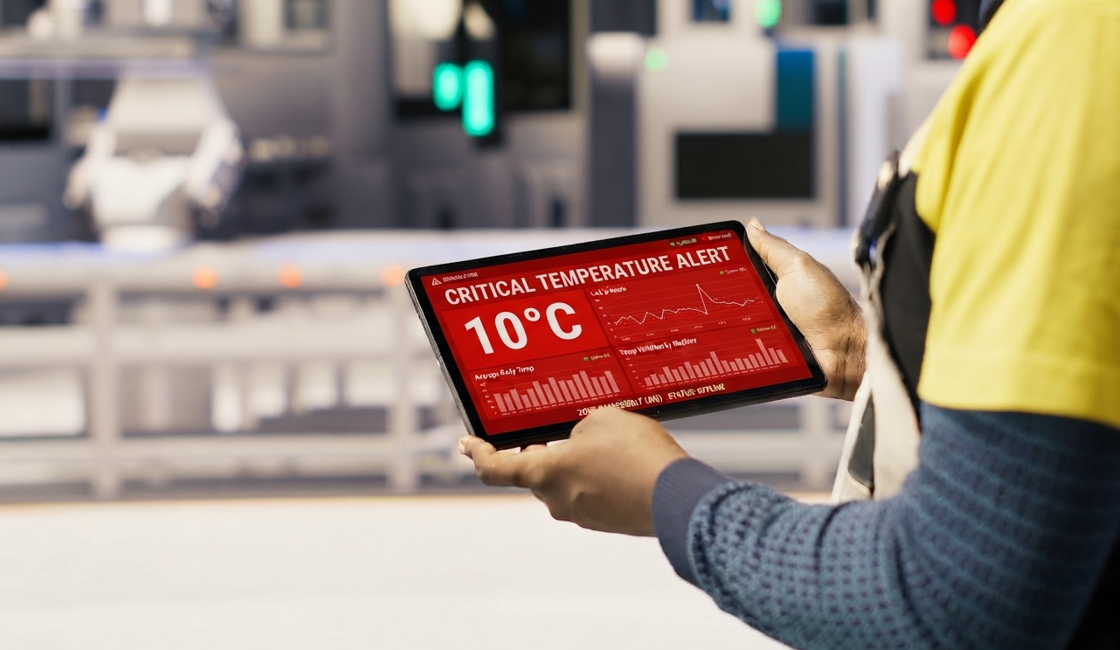
Continuous temperature monitoring can help identify when the excursion started and how long the conditions remained outside the acceptable range.
2. Protect the Affected Products
Take immediate steps to prevent further exposure to unsuitable temperatures. This may involve keeping refrigerator or cold-room doors closed, checking refrigeration equipment or transferring products to an appropriate alternative storage facility.
Do not automatically discard or release affected products. The correct decision depends on the product, its permitted temperature limits, the severity and duration of the excursion, and the applicable quality procedures.
For pharmaceutical products, vaccines and other regulated goods, follow the relevant product guidance and escalate the incident to the responsible quality professional.
3. Investigate the Cause
Once the immediate risk has been managed, investigate why the temperature excursion occurred.
Review equipment performance, power supply interruptions, door-opening activity, transportation records, sensor placement and alarm notifications. Determine whether the problem was caused by equipment failure, human error or another operational issue.
Understanding the root cause helps businesses implement corrective actions rather than simply addressing the symptoms.
4. Document the Incident
Accurate documentation is essential for traceability, quality management and future investigations.
A temperature excursion report should generally include:
- The date and time the incident was identified.
- The affected storage area, shipment or products.
- The temperature range recorded and the duration of the excursion.
- Relevant temperature logs, alarm notifications and monitoring data.
- The suspected cause and investigation findings.
- The corrective actions taken and the final product disposition decision.
Reliable digital records can make this process easier by providing a clear history of temperature conditions and helping teams investigate incidents more efficiently.
5. Implement Corrective and Preventive Actions
After the incident has been investigated, take steps to reduce the likelihood of recurrence. Depending on the cause, this could involve servicing refrigeration equipment, reviewing operating procedures, improving staff training, adjusting alarm settings or introducing more reliable monitoring arrangements.
Corrective actions should be documented and reviewed to determine whether they have effectively addressed the problem.
How Temperature Monitoring Helps Prevent Cold Chain Risks
Although not every temperature excursion can be avoided, early detection can significantly improve a business’s ability to respond before a problem becomes more serious.
Continuous temperature monitoring systems track conditions over time and can alert responsible personnel when temperatures move outside predefined limits. This reduces reliance on periodic manual checks, which may not identify an incident until considerable time has passed.
Temperature data loggers also provide historical records that can help businesses establish when an excursion occurred, investigate its cause and support quality management processes.
For companies handling temperature-sensitive products, choosing a suitable monitoring solution is an important part of maintaining visibility across storage and distribution operations.
Temperature Monitor Solutions Africa (TMSA) helps businesses address temperature-monitoring requirements with solutions designed to support greater visibility, reliable records and better-informed decisions throughout the cold chain.
Frequently Asked Questions About Cold Chain Temperature Excursions
What is a cold chain temperature excursion?
A cold chain temperature excursion occurs when a temperature-sensitive product or its storage environment moves outside the specified temperature range for an unacceptable period or under conditions that require investigation.
Can products still be used after a temperature excursion?
Potentially, but it depends on the product, the temperatures reached, the duration of exposure and the applicable quality requirements. A qualified or authorised person should assess the available evidence before a decision is made.
How can businesses reduce the risk of temperature excursions?
Businesses can reduce risk through suitable refrigeration equipment, routine maintenance, staff training, documented procedures, reliable temperature sensors and continuous monitoring with appropriate alarms.
Why is continuous temperature monitoring important?
Continuous monitoring provides a more complete record of temperature conditions and can alert personnel to deviations sooner than periodic manual checks, allowing them to investigate and respond more quickly.
Final thoughts
A cold chain temperature excursion should never be ignored. From confirming the incident and protecting affected products to investigating the cause and documenting corrective actions, every step plays an important role in maintaining product integrity.
By combining clear response procedures with reliable temperature monitoring, businesses can improve their ability to detect problems, investigate incidents and reduce the risk of future excursions.
For organisations handling temperature-sensitive products, investing in appropriate monitoring solutions is an important step towards a more reliable and controlled cold chain.