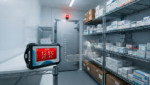
In today’s fast-paced and highly regulated cold chain industry, temperature-sensitive products, such as vaccines, pharmaceuticals, biologics, lab samples, and perishable foods, require constant, reliable temperature control throughout storage and transportation. Even a brief temperature excursion can lead to product spoilage, regulatory violations, financial losses, or, in some cases, risks to patient safety.
That’s why backup monitoring devices are not just a precaution, they are a critical component of any effective temperature monitoring system. These devices provide an extra layer of protection when the unexpected happens: a power outage, system malfunction, human error, or connectivity failure.
Whether you’re overseeing a pharmaceutical warehouse or managing vaccine distribution in remote regions, having redundant monitoring solutions in place can make the difference between safety and catastrophe.
Why Backup Monitoring Matters
Primary temperature monitoring systems—whether cloud-connected loggers or wired sensors—are designed for reliability. However, no system is entirely immune to failure. In critical storage environments, where compliance and product integrity are non-negotiable, relying solely on a single monitoring device introduces unnecessary risk.
Backup monitoring devices serve as a contingency plan to capture and store essential data during periods of disruption or technical failure. This helps protect not only your products but also your reputation, regulatory standing, and bottom line.
Top 5 Reasons to Use Backup Monitoring Devices
- Redundancy for Risk Mitigation
Redundancy is a well-established best practice in quality management and risk mitigation strategies. A secondary temperature logger ensures that if your primary device fails, you’ll still have access to accurate temperature data. This is especially important in industries with low fault tolerance, such as pharmaceuticals, biotech, and healthcare.
Real-world example: In a hospital storing high-value biologic drugs, a main logger failed during a weekend power outage. The facility was able to verify that temperatures remained within range using data from a backup logger, avoiding costly product disposal and investigation.
- Regulatory Compliance
Regulatory agencies including the FDA, CDC, WHO, EMA, and TGA have clear guidelines on cold chain management and temperature monitoring. These typically require continuous monitoring, detailed records, and traceability.
Backup monitoring supports full regulatory compliance by ensuring you always have a complete, auditable temperature history, even during failures.
- Audit Readiness and Quality Assurance
When facing internal audits, supplier evaluations, or inspections by health authorities, backup monitoring data can provide validation and strengthen your quality assurance protocols. It demonstrates a commitment to Good Distribution Practices (GDP) and Good Manufacturing Practices (GMP).
Having two independent sources of temperature data significantly reduces the risk of failed audits due to missing or corrupted records.
- Uninterrupted Data Logging
Some of the most common causes of data loss include:
- Internet disruptions
- Server downtime
- Software bugs
- Power outages
- Human error (e.g. forgetting to restart a logger)
A reliable backup device, especially one with local data storage and long battery life—will keep recording even if the primary system goes down. This ensures no data gaps and protects the integrity of your temperature logs.
- Peace of Mind for Cold Chain Managers
Cold chain and QA managers carry significant responsibility, particularly in industries dealing with life-saving products. Knowing that backup monitoring is in place provides a level of peace of mind that can’t be overstated.
This is particularly valuable for 24/7 operations, global shipping, and storage in remote or high-risk environments where immediate intervention may not be possible.
Applications Where Backup Monitoring Is Essential
Backup temperature monitoring devices are especially important in the following sectors:
- Pharmaceutical and Vaccine Storage
With narrow temperature ranges (e.g. 2°C to 8°C), pharma products can become unusable with even small deviations. Backup loggers help meet strict compliance requirements and protect high-value inventory.
- Clinical Trials & Laboratory Storage
Clinical samples, reagents, and experimental compounds often cannot be replaced. Monitoring redundancies ensure irreplaceable research isn’t compromised.Food and Beverage Cold Chain
Perishable goods, especially those governed by HACCP protocols, require tight temperature control from farm to fork. Backup systems help prevent spoilage and protect your brand from costly recalls.
- Hospitals, Pharmacies, and Blood Banks
Patient care and public health are directly impacted by proper storage of medications, vaccines, and blood products. Backup monitoring ensures continuity of care.
- Remote and Field Deployments
In areas with unstable power or limited infrastructure (e.g. mobile vaccination units), battery-powered or wireless backup loggers are essential to maintain data integrity in low-resource environments.
What to Look for in a Backup Temperature Monitoring Device
When choosing a backup monitoring solution, make sure it meets the same (or higher) standards as your primary device. Key features to consider:
- Battery operation with long life
- Cloud or local data storage
- Automatic data syncing once connectivity is restored
- Real-time alerts via SMS, email, or app notifications
- Wide operating temperature range
- Calibration certificates traceable to national standards
- Easy data export (PDF, CSV, API)
At TMSA, we offer a comprehensive range of high-accuracy temperature loggers designed to serve as both primary and backup monitoring devices. Our solutions are trusted across pharmaceuticals, healthcare, food logistics, and life sciences industries.
In the cold chain world, failures can cost more than just money, they can compromise public health, product efficacy, and regulatory standing. That’s why adding a backup monitoring device is one of the smartest investments any critical storage facility can make.
Backup monitoring isn’t about expecting failure. It’s about being prepared for it—and ensuring your operations remain resilient, compliant, and trustworthy, no matter what.
Ready to strengthen your temperature monitoring strategy?
Explore our full range of backup-ready temperature loggers or get in touch with our cold chain experts for a free consultation.