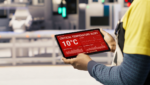
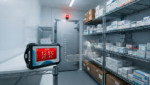
In cold chain logistics, where temperature-sensitive goods must be maintained within strict limits, having the right temperature monitoring solution in place can make the difference between safe delivery and costly spoilage. Whether you’re transporting pharmaceuticals, fresh produce, or frozen food, choosing the best monitoring device ensures product integrity, regulatory compliance, and customer satisfaction.
But with so many options available, including real-time loggers, data loggers, thermometers and temperature indicator strips — how do you know which one is right for your operation?
In this blog, we’ll break down the most commonly used cold chain monitoring tools, explain when to use them, and help you choose the right fit for your logistics needs.
Types of Temperature Monitoring Solutions for the Cold Chain
Let’s explore the four main types of monitoring tools used across the cold chain industry:
-
Real-Time Loggers
Real-time loggers are advanced devices that continuously track temperature and transmit data via cellular or satellite networks. These solutions are ideal for high-value or highly sensitive products that require 24/7 oversight.
Advantages:
- Live tracking and alerts
- Cloud-based access to data
- GPS integration for full shipment visibility
- Compliance-ready reporting
Considerations:
- Higher upfront cost
- Dependent on network coverage
- Monthly subscriptions
If proactive intervention is critical to your business, a real-time logger is the most reliable temperature monitoring solution.
-
Data Loggers
Data loggers are programmable devices that record temperature at set intervals during transit. At the end of the shipment, the data is downloaded manually via USB or Bluetooth.
Advantages:
- Accurate and consistent data
- Single-use and reusable options available
- Easy to generate reports for audits
- Suitable for longer trips with less urgent tracking needs
Considerations:
- No real-time visibility
- Requires manual data retrieval
Cold chain monitoring using data loggers is a cost-effective way to ensure safe delivery and post-trip analysis.
-
Thermometers
Thermometers provide instant temperature readings, typically used for spot checks in cold rooms, delivery vehicles, or storage facilities. While not ideal for in-transit monitoring, they’re useful for verifying conditions during loading, offloading, or inspections.
Advantages:
- Immediate readings
- Easy to use and inexpensive
- No software or configuration needed
Considerations:
- No data logging capabilities
- Not suitable for long-distance shipments
- Most come without a calibration certificate, which is often more costly than the device itself.
Thermometers are a valuable part of a multi-layered temperature monitoring solution, especially for fixed-location quality checks.
-
Temperature Indicator Strips
Temperature indicator strips provide a visual confirmation that a product has been exposed to temperatures outside a specified range. These are single-use, low-cost tools ideal for customers or end-users who need quick assurance that goods remained within the correct temperature zone.
Best for: Pharmaceuticals, frozen foods, clinical trials, and retail-level monitoring
Advantages:
- Cost-effective
- Simple to interpret
- Tamper-proof, irreversible indicators
Considerations:
- No numerical data
- One-time use
Temperature indicator strips are a smart way to build customer confidence, especially when used alongside other temperature monitoring solutions.
How to Choose the Right Temperature Monitoring Solution
Each cold chain operation is unique, so choosing the right monitoring tool depends on several key factors:
| Requirement | Recommended Solution |
| Continuous live tracking | Real-time loggers |
| Post-trip data reporting | Data loggers |
| Spot temperature checks | Thermometers |
| End-user visual assurance | Temperature indicator strips |
Final Thoughts: Customizing Your Cold Chain Monitoring
There’s no one-size-fits-all solution when it comes to cold chain monitoring. The best results often come from combining multiple tools to suit various parts of the journey — such as using a data logger for transit and a thermometer at delivery.
The right temperature monitoring solution doesn’t just protect your goods — it protects your reputation.
Need Help Choosing the Right Solution?
At TMSA, we specialize in tailored cold chain monitoring strategies. Whether you need real-time tracking or low-cost temperature strips, our experts will help you choose the right tools for your operation.
Contact us today to explore our full range of monitoring devices and get a customized quote.